|
Key Principles of Geriatric Care
by Robert S. Stall MD, Geriatrician
Click on the pictures to hear the stories
It is very important that older adults, their families, friends and health care providers understand several key concepts to ensure that older adults receive timely
appropriate health care services and advice.
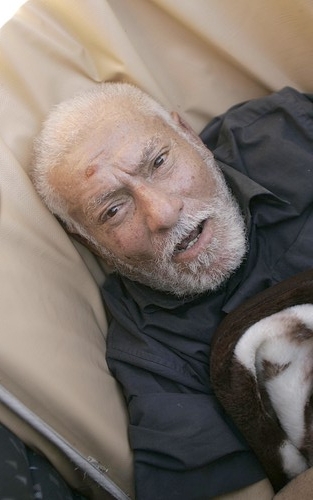 |
Principle 1: Sudden change comes from sudden problems
(or, Alzheimer's disease does not begin overnight)
An
older person that suddenly becomes confused - but was alert and oriented the day
or week before - is having an acute problem such as an infection, medication
side effect, stroke or even a heart attack. These and many other acute
problems can be treated effectively if diagnosed properly and in a timely
manner. An older person often has unusual or subtle symptoms. Confusion may be
the only symptom of a heart attack in an older person. A younger person
would be more likely to experience the classic symptoms of chest pressure,
tightness, or arm pain. |
 |
Principle 2: Gradual decline may not be Alzheimer's disease
Alzheimer's disease
symptoms develop slowly. However, there are many other
problems that develop slowly and may cause gradual decline. An
overactive or underactive thyroid, vitamin B12 deficiency, poor
nutrition, Parkinson's disease, hearing impairment and depression
are examples. Symptoms from these usually develop slowly and
may mimic Alzheimer's disease. Loneliness and social isolation
can also cause gradual decline. Improved transportation,
hearing aids or glasses, joining a health spa, volunteer work, kind
words of reassurance or a big hug now and then can all have
remarkable therapeutic effects.
|
 |
Principle 3: Medication use in the elderly is
a major drug problem in America
Many older people see several doctors, each of whom may prescribe different medications.
These same people may also use over-the-counter medication
regularly. They may even get their medications from more than
one pharmacy, or from friends. It's not hard to see how
medications may pile up and how difficult they may be to track.
Even one drug that's not right for a person can impair function and
decrease enjoyment of life. Imagine what five - or ten, or
fifteen - can do. Older adults should make sure their doctors
know about all medications they are taking and question doctors
about prescribed drugs. Are they necessary? What side
effects should I watch for? Are they safe to take with my
other medications? The doctor should also know about alcohol,
cigarette and coffee use.
|
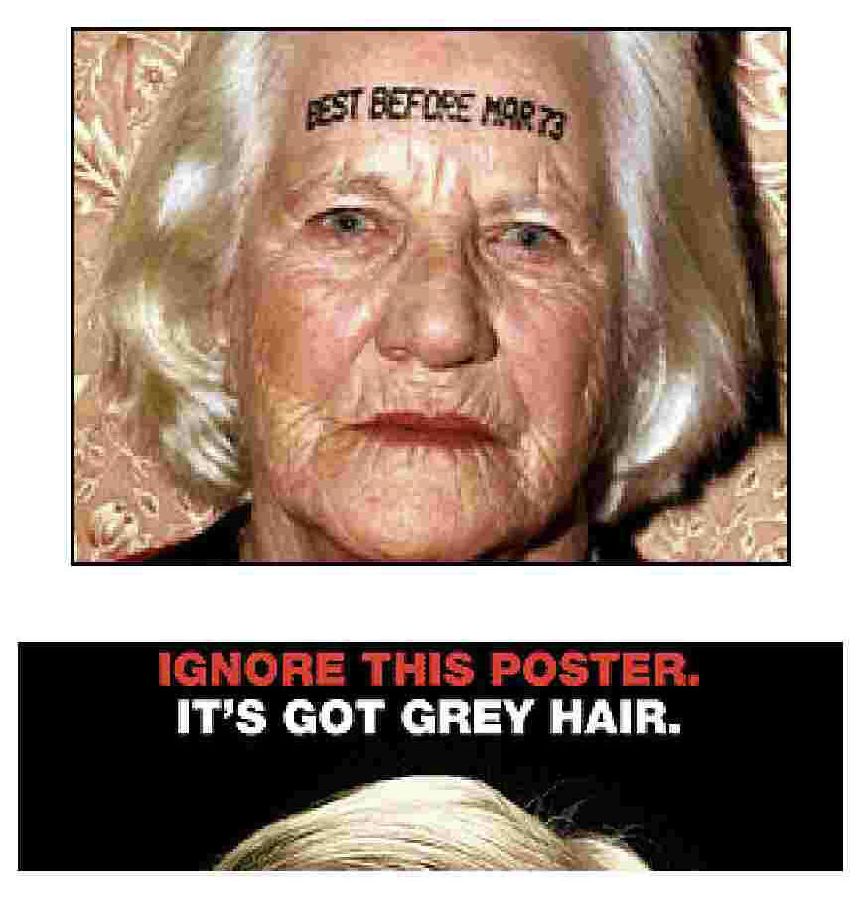 |
Principle 4: Ageist attitudes are harmful
What do you expect at your age? You're not getting any younger!
Do these statements sound familiar? They are unjust generalizations and prejudicial statements that assume all older adults
naturally become weak, sick and forgetful. Older people get sick from disease, not "old age". |
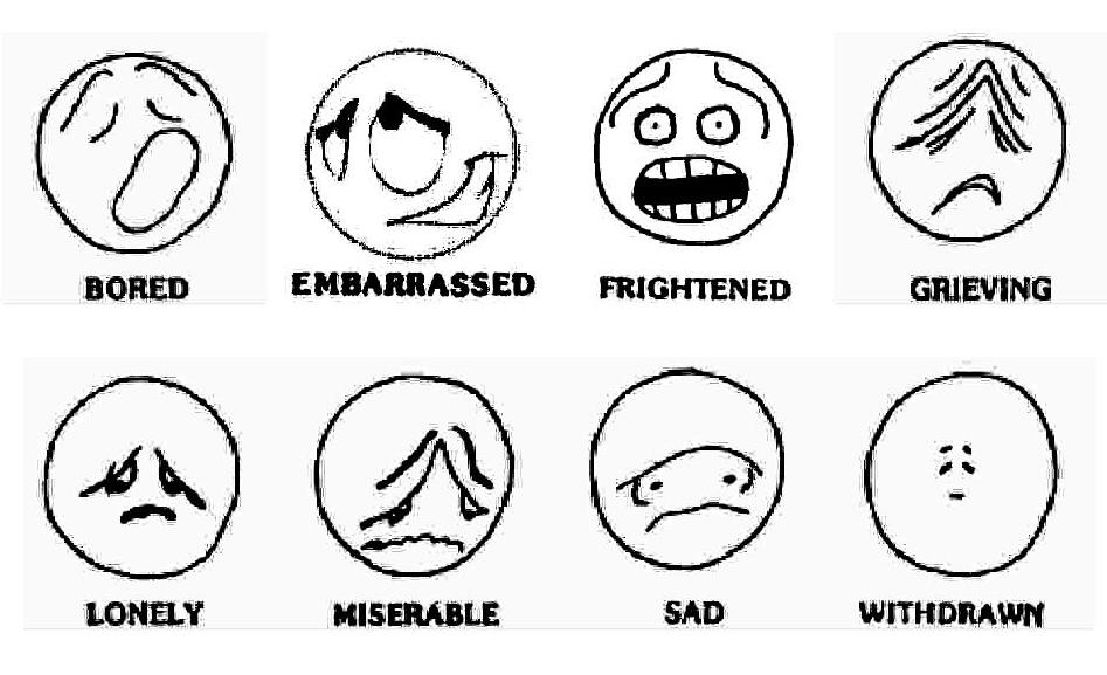 |
Principle 5: Seek and treat dis-ease, not
just disease
All the dis-eases
– loneliness, pain, fears and worries, to name just a few – are often the things
that make life most miserable for an older person, rather than specific
diseases. |
 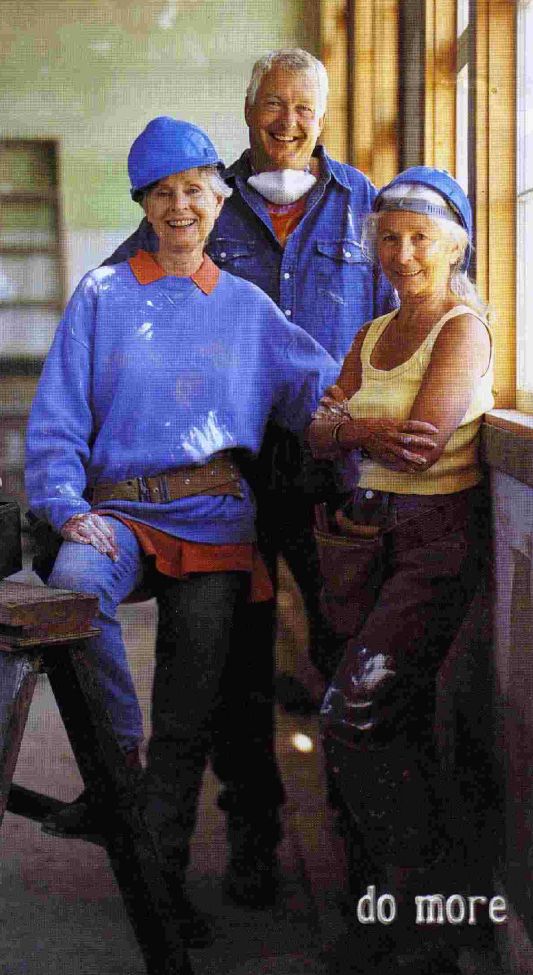

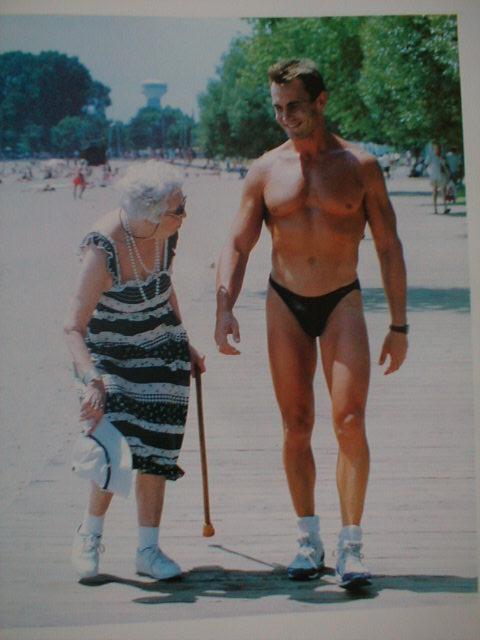
|
Principle 6: Strive to maximize quality of life and functional ability
Everyone
wants to enjoy life to the fullest and have the capability to do the things they
want to. Improving the enjoyment of life and function are the cardinal
goals of geriatric care, where quality of living becomes more important than
quantity of living. |

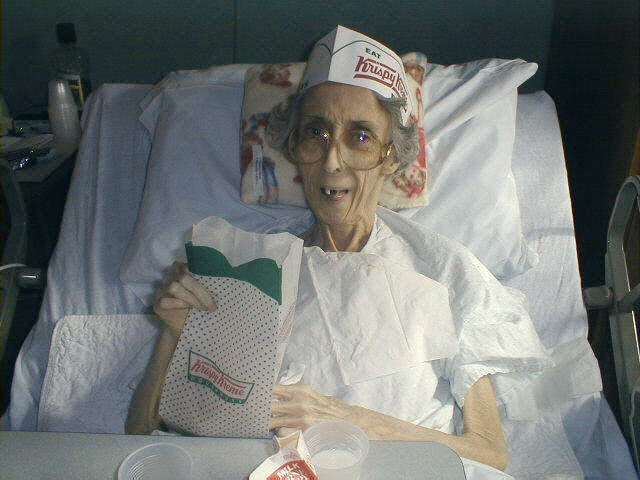 |
Principle 7: There is ALWAYS something that
can be done to to help!
Pointing
someone in the right direction; a smile, handshake, or hug; just being
there to answer a question, help solve a problem, provide company or talk; a
random act of kindness. These are all ways to help that require no particular
expertise except caring for a fellow human being and the knowledge that you
don’t necessarily need medications or surgery to “cure” someone. |
|

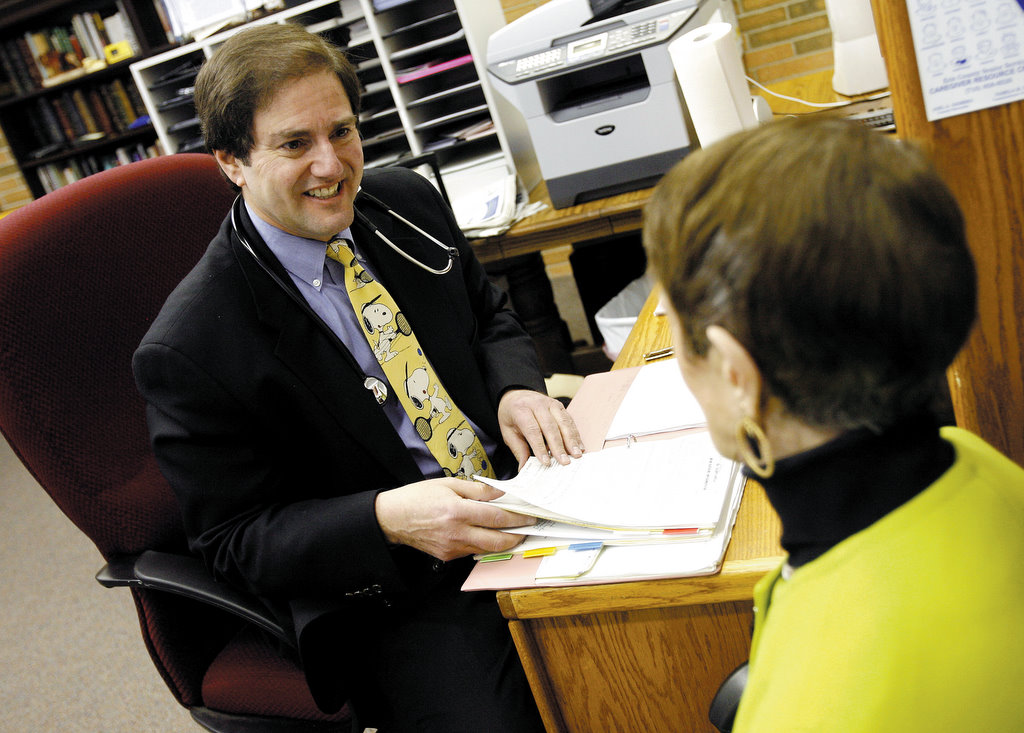





 with Grandpa Julius